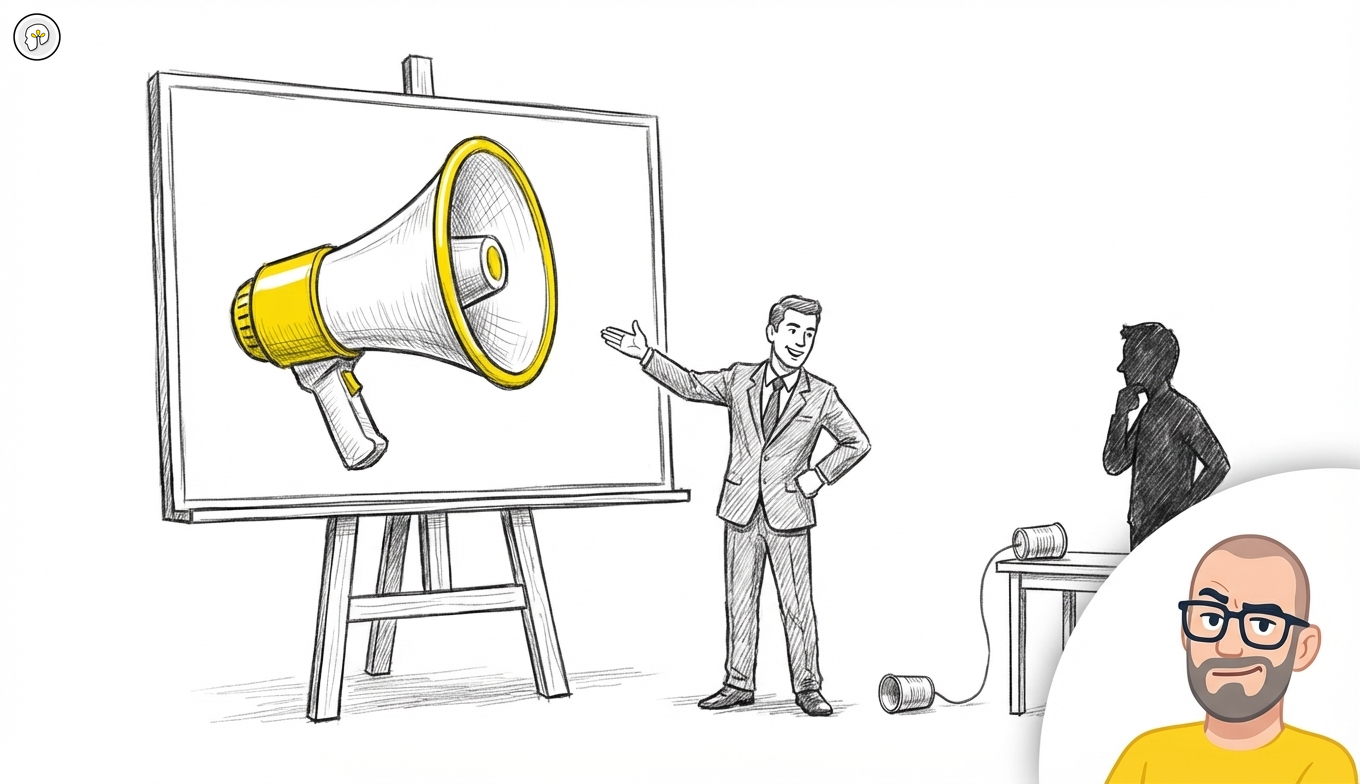
Kontextfönster-myten: varför "1 miljon tokens" mest är marknadsföring
Jag är trött på hypen
"Jag är så trött på att höra om miljontals tokens."
Varje AI-lansering ser likadan ut: "Nu med 1 MILJON tokens kontextfönster!" Siffrorna fortsätter växa. Marknadsföringen blir högljuddare. Och användarna möter samma frustration om och om igen:
"Varför har min AI glömt vad jag berättade för fem minuter sedan?"
Låt mig förklara vad som faktiskt händer — och varför de stora siffrorna är i stort sett irrelevanta.
Det marknadsföringstrick ingen förklarar
När Google lanserar Geminis kontextfönster på 1 miljon tokens, eller Claude lyfter fram sina 200k tokens, säger de tekniskt sett sanningen. Du KAN mata in den mängden text.
Men här är det de bekvämt nog utelämnar:
Inkapacitet ≠ användbar bearbetningskapacitet
Det är som ett bibliotek som tar emot en miljon böcker men bara kan läsa tre åt gången. Hyllutrymmet är verkligt. Läsförståelsen är det inte.
"Du kan stoppa in hur mycket du vill, men du får inte ut lika mycket."
De tre lögnerna i kontextfönster-marknadsföringen
Lögn 1: "Fler tokens ger bättre förståelse"
Verkligheten: AI-modeller "förstår" inte din kontext linjärt. Information som hamnar mitt i väldigt långa kontexter försvinner ofta. Forskning visar att återhämtningsprecisionen kan sjunka med 30–50 procent för information som är begravd mitt i maximalt långa kontexter.
AI:n är optimerad för att uppmärksamma: - Det allra första - Det allra sista - Det som verkar mest aktuellt
Allt däremellan? Det finns där, tekniskt sett. Används effektivt? Ofta inte.
Lögn 2: "Du kan arbeta med hela kodbaser och dokumentsamlingar"
Verkligheten: Du kan MATA IN hela kodbaser. AI:n producerar output på 4 000–8 000 tokens oavsett. Det motsvarar ungefär 3–6 A4-sidor.
Du matar in 750 sidor dokumentation. Du får tillbaka 5 sidor svar. Läste den alla 750 sidor när den genererade svaret? Mestadels inte — den samplade statistiskt från mönster.
Lögn 3: "Gratis- och billigaste nivån ger dig en riktig AI-upplevelse"
Verkligheten: Gratisnivåer har ungefär 4k tokens. Det är 3 A4-sidor totalt — inklusive din fråga OCH AI:ns svar.
"Gratis ger gratis resultat."
Många utvärderar AI på gratisnivån och drar slutsatsen att "AI är överhypat." Nej — du testar en racerbil på ettan med handbromsen åtdragen.
Vad som faktiskt händer i ditt kontextfönster
Låt mig konkretisera hur "minnesförlust" ser ut i praktiken:
Tokens 1–1 000: AI:n minns allt. Skarp, sammanhängande, följer instruktioner perfekt.
Tokens 1 000–5 000: Fortfarande bra. Mindre inkonsekvenser kan börja dyka upp.
Tokens 5 000–20 000: AI:n börjar "driva". Tidigare instruktioner bleknar. Du märker att den ibland motsäger sig själv.
Tokens 20 000+: Aktiv försämring. AI:n kan direkt motsäga sina egna tidigare påståenden. Komplexa instruktioner från början? Borta.
Det här händer på ALLA nivåer. Den enda skillnaden är hur snabbt du når kanten.
| Nivå | Hur snabbt du når väggen |
|---|---|
| Gratis | 10–15 utbyten |
| 220 kr/månad | 20–30 utbyten |
| 2 200 kr/månad | 50–100 utbyten |
| API max | 200+ utbyten (händer ändå) |
Bedrägeriet med output-kapacitet
Det här är vad som verkligen frustrerar mig. Leverantörerna skryter om INPUT-kapacitet medan de döljer OUTPUT-gränserna.
Varje stor modell, oavsett kontextfönstrets storlek: - ChatGPT: ~4 000 tokens output max - Claude: ~8 000–10 000 tokens output max - Gemini: ~30 000 tokens output max (påstås)
Du kan inte få en sammanfattning på 100 000 tokens. Du kan inte få en komplett analys på 500 sidor. Output-kranen är begränsad oavsett hur stor input-hinken är.
"Marknadsföringen fokuserar på hur mycket du kan stoppa in — inte på hur mycket du får ut."
Precisionsfallet vid 2 dokument som ingen pratar om
Från mitt arbete i produktion ser jag konsekvent följande:
På gratisnivå (~4k tokens): - Ladda upp 1 kort dokument → Fungerar okej - Ladda upp 2 dokument → Omedelbart 25 % precisionfall - Ladda upp 3 dokument → AI:n börjar blanda ihop dem och förväxla fakta
På betalnivå (~32k tokens): - 1–2 dokument → Bra - 3–5 dokument → Precisionen sjunker märkbart - 5+ dokument → Du behöver den dyrare nivån
Det här är inte teoretiskt. Jag har mätt det i dussintals kundprojekt. Mönstret "2 dokument = −25 % precision" är anmärkningsvärt konsistent.
Vad leverantörerna inte berättar
Om kontextfönster: - Större är inte alltid bättre — uppmärksamheten försämras med längden - "Mitten" av långa kontexter ignoreras ofta - Prestandabenchmarks körs på optimerat innehåll, inte dina röriga verkliga data
Om prissättning: - Gratisnivån är designad för att skapa beroende, inte för utvärdering - 220 kr/månad är ett lockpris — de vill ha dig på 2 200 kr/månad - Enterprise-prissättning är ofta 50 gånger kapaciteten för 5 gånger priset
Om "obegränsade" påståenden: - Det finns inget obegränsat — det finns bara större gränser - "Fair use-policyer" aktiveras snabbare än du tror - Storförbrukare throttlas utan förvarning
Vad du faktiskt bör göra
Sluta jaga större kontextfönster. Börja designa för verkligheten.
Acceptera begränsningarna
- AI har minnesgränser. Det kommer inte att förändras i grunden.
- Fler tokens löser inte uppmärksamhetsproblemet.
- Output-kapaciteten är den verkliga flaskhalsen.
Designa arbetsflöden därefter
- Dela upp uppgifter i fokuserade delar — Försök inte göra allt i ett samtal
- Börja om ofta — Ny uppgift = nytt samtal
- Sammanfatta löpande — Be AI:n kondensera innan ni fortsätter
- Prioritera kritisk kontext i början — Det viktigaste placeras FÖRST
Budgetera ärligt
Om du behöver professionella resultat: - Minimum: ~220 kr/månad per person - Realistiskt: ~2 200 kr/månad per power user - Produktionssystem: 500–5 000 kr/dag i API-kostnader
"Det kostar detta mycket."
Ditt ansvar
Här är vad leverantörerna aldrig kommer att berätta för dig: Du är ansvarig för att förstå dessa begränsningar.
När AI:n "glömmer" dina instruktioner är det inte AI:n som misslyckas. Det är du som överskrider verktygets kapacitet. När kvaliteten sjunker mitt i ett samtal är det inte ett fel. Det är arkitektur.
"Du äger varje rad output. Du måste förstå verktygen."
AI är inte magi. Kontextfönster är inte obegränsat minne. Miljontals-tokens-marknadsföringen är i stort sett irrelevant för ditt faktiska arbete.
Ju snabbare du accepterar det, desto snabbare får du verkligt värde från AI.
Sammanfattningen
Nästa gång du ser en leverantör lansera ett större kontextfönster, ställ dessa frågor:
- Vad är OUTPUT-gränsen?
- Hur försämras uppmärksamheten med längden?
- Vad händer med realistiskt, rörigt innehåll (inte benchmark-optimerad text)?
- Vad är det verkliga priset i produktionsskala?
Om de inte kan svara säljer de dig marknadsföring, inte kapacitet.
Verktyg, inte magi.
Se även: Context Window Economics för detaljerade nivåjämförelser och praktisk vägledning.
Baserat på 30 års produktionsutveckling och 2+ års intensiv AI-arbetsflödesutveckling Publicerat: december 2025